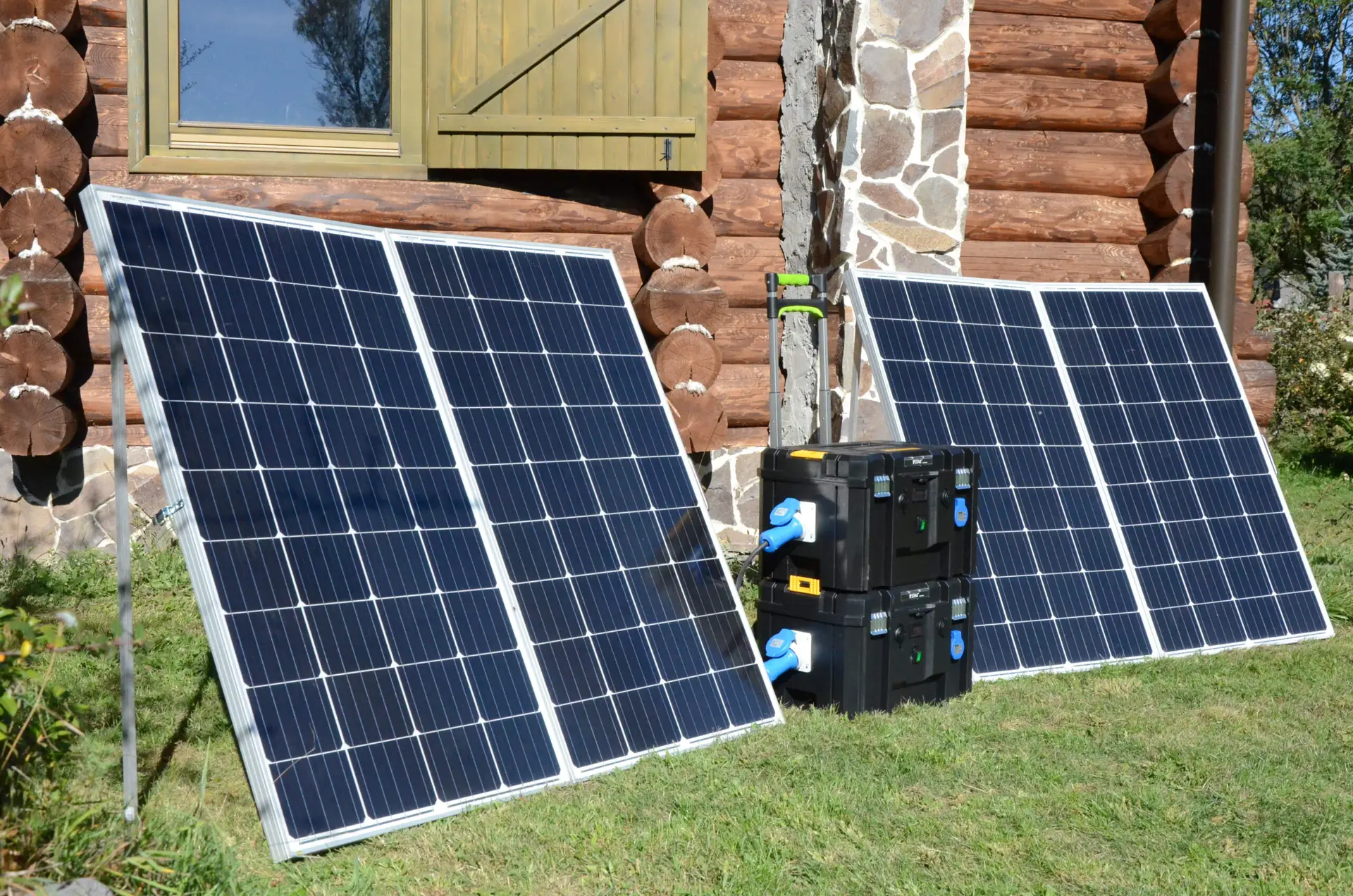


Choosing a solar generator perfect for you can make all the difference in how efficiently you meet your energy needs. When it comes to renewable energy solutions, solar generators are at the top of the list for sustainability and convenience. Whether you’re using it for backup power at home or for outdoor adventures, choosing a solar generator right for you can be sometimes a hard job because with so many options on the market, how do you pick the best solar generator for your needs might be a little overwhelming. In this guide, we’ll walk you through the key factors you need to consider when choosing a solar generator.
Capacity (Wh): The Fuel Tank of Your Solar Generator
What to Look for When choosing a solar generator? One of the first things to evaluate is its capacity, measured in watt-hours (Wh). The capacity represents how much energy the generator can store and deliver over time. Think of it as the “fuel tank” of the system. A generator with a 1000Wh capacity can provide 1000 watts of power for one hour or 500 watts for two hours, for example.
However, it’s not just the battery’s storage capacity that matters—you should also consider the solar panels you can connect to the generator. Most generators will specify the maximum panel wattage they can handle. If the generator can support up to 300W of solar input, for example, that means you can connect one 300W solar panel or multiple smaller panels to reach that limit. A higher panel input capacity means faster recharging times, especially during optimal sunlight conditions, which is crucial when you need quick energy replenishment.
When selecting a generator, ensure that both the battery capacity and the solar input capacity match your power needs. This combination will determine how long your generator can run and how quickly it can recharge, giving you a better overall energy solution.
Power Output (Watts): Matching the Generator to Your Devices
Capacity isn’t the only thing that matters when choosing a solar generator, the power output measured in watts (W), is equally crucial when choosing a solar generator and the solar panels. Power output refers to the amount of power the generator can deliver at a given moment. If your devices collectively draw more power than your generator can output, they won’t run effectively or may not run at all.
For example, small devices like laptops and fans require low wattage (under 300W), whereas larger appliances like power tools, heaters, or air conditioners require higher wattage—often exceeding 1000W. So, when considering power output, think about the types of devices you plan to power. A versatile solar generator should have a range of outputs to support multiple types of devices simultaneously.
Battery Discharge Time: How Long Will Your Generator Last?
When choosing a solar generator, understanding the battery discharge time—the time it takes for the battery to drain when in use is crucial. This will depend on how much power you’re drawing at any given time. A solar generator with a high-capacity battery but low discharge rate may run longer, but it could be slower to provide energy when you need it most.
Look at the manufacturer’s specifications for battery discharge time, and consider whether you need the generator for short bursts of power or long-term use. For instance, if you’re using a solar generator for camping, you’ll want something that lasts several hours on a full charge, especially at night.
Battery Charging Speed: How Fast Can It Recharge?
One thing people often overlook when choosing a solar generator is how fast it can recharge. If you’re relying on solar power, you’ll want to know how quickly the generator can recharge during the day so it’s ready for use when needed. Charging speed varies between models and is affected by the size of the solar panel and the battery’s charge controller.
Look for generators that can charge in under 6-8 hours under optimal sunlight conditions and well dimensioned solar panels. Some premium models feature faster charging times, allowing you to be fully operational after just a few hours of sunlight exposure. Faster charging means less downtime, which is essential for off-grid living or during emergency situations.
Number of Outlets and Types: Flexibility for Your Devices
What to look for When choosing a solar generator in term of number of outlets? Well it’s essential to consider the number and variety of outlets. Different devices have different power requirements, and your generator should accommodate them. Look for a mix of AC outlets (for larger appliances like refrigerators or power tools), DC outlets, USB ports (for smartphones, tablets, and smaller electronics), and even specialized outlets like carports. The more versatile your solar generator is in outlet options, the better it will serve your needs, whether you’re camping, working remotely, or using it as a backup power source at home.
Beyond the physical outlets, many modern generators are equipped with Bluetooth or WiFi connectivity. These features allow you to monitor and control the generator remotely via a smartphone app. You can track battery levels, charging status, power consumption, and even adjust settings—all without having to be physically near the generator. This is especially useful when the generator is placed outdoors, or when you’re away from the location but still want to keep an eye on power usage.
These smart features provide an extra level of convenience and flexibility, allowing you to manage your energy use efficiently, whether you’re at home or on the go. When evaluating a generator, don’t overlook these advanced options—they can make a significant difference in how easily and effectively you can manage your power needs.
Solar Generator Cost: What Should You Expect to Spend?
Finally, when choosing a solar generator and solar panels , the price will likely play a significant role in your decision. Solar generators can range in price from a few hundred dollars for smaller, low-capacity models to over $2,000 for higher-end, high-capacity options. Typically, the higher the capacity and power output, the more expensive the model.
Before making your purchase, consider your budget and how you plan to use the generator. If you’re using it for occasional outdoor adventures, a mid-range generator may meet your needs without breaking the bank. However, if you’re investing in a system for home backup power, it may be worth spending more for a generator with higher output and durability.
10 Best Solar Generators Ranked by Price and Power Capacity
Here’s a ranking of 10 top solar generators, ranging from budget-friendly options to high-end models. We’ve compared them based on their price and power capacity in watt-hours (Wh), so you can make an informed decision whether you’re looking for an affordable backup power solution or a powerhouse for off-grid living.
| Rank | Solar Generator Model | Power Capacity (Wh) | Approximate Price (USD) |
|---|---|---|---|
| 1 | Jackery Explorer 240 | 240 Wh | $249 |
| 2 | Rockpals 300W Solar Generator | 280 Wh | $299 |
| 3 | Goal Zero Yeti 500X | 505 Wh | $699 |
| 4 | EcoFlow River Max | 576 Wh | $599 |
| 5 | Anker 535 PowerHouse | 512 Wh | $599 |
| 6 | Bluetti EB70S | 716 Wh | $749 |
| 7 | Jackery Explorer 1000 | 1002 Wh | $999 |
| 8 | Bluetti AC200P | 2000 Wh | $1,599 |
| 9 | Goal Zero Yeti 1500X | 1516 Wh | $1,999 |
| 10 | EcoFlow Delta Pro | 3600 Wh | $3,699 |
This ranking provides a balance between affordable solar generator models and high-capacity powerhouses. Whether you’re looking for a portable, lightweight option for small devices or a robust generator for home backup, these options cover a broad range of needs and budgets.
Conclusion
When choosing a solar generator, it’s essential to weigh your options carefully based on factors like capacity, power output, charging speed, and overall cost. These generators offer an eco-friendly solution to power your home or outdoor activities, but picking the right one can mean the difference between consistent performance and unreliable power.
Whether you’re looking for a backup power source for emergencies or a portable solution for camping trips, a solar generator is a worthwhile investment. By considering all the factors mentioned above, you’ll be well on your way to finding the perfect solar power generator that fits your needs and budget.
The future of energy is in your hands—make sure you choose wisely!
/